
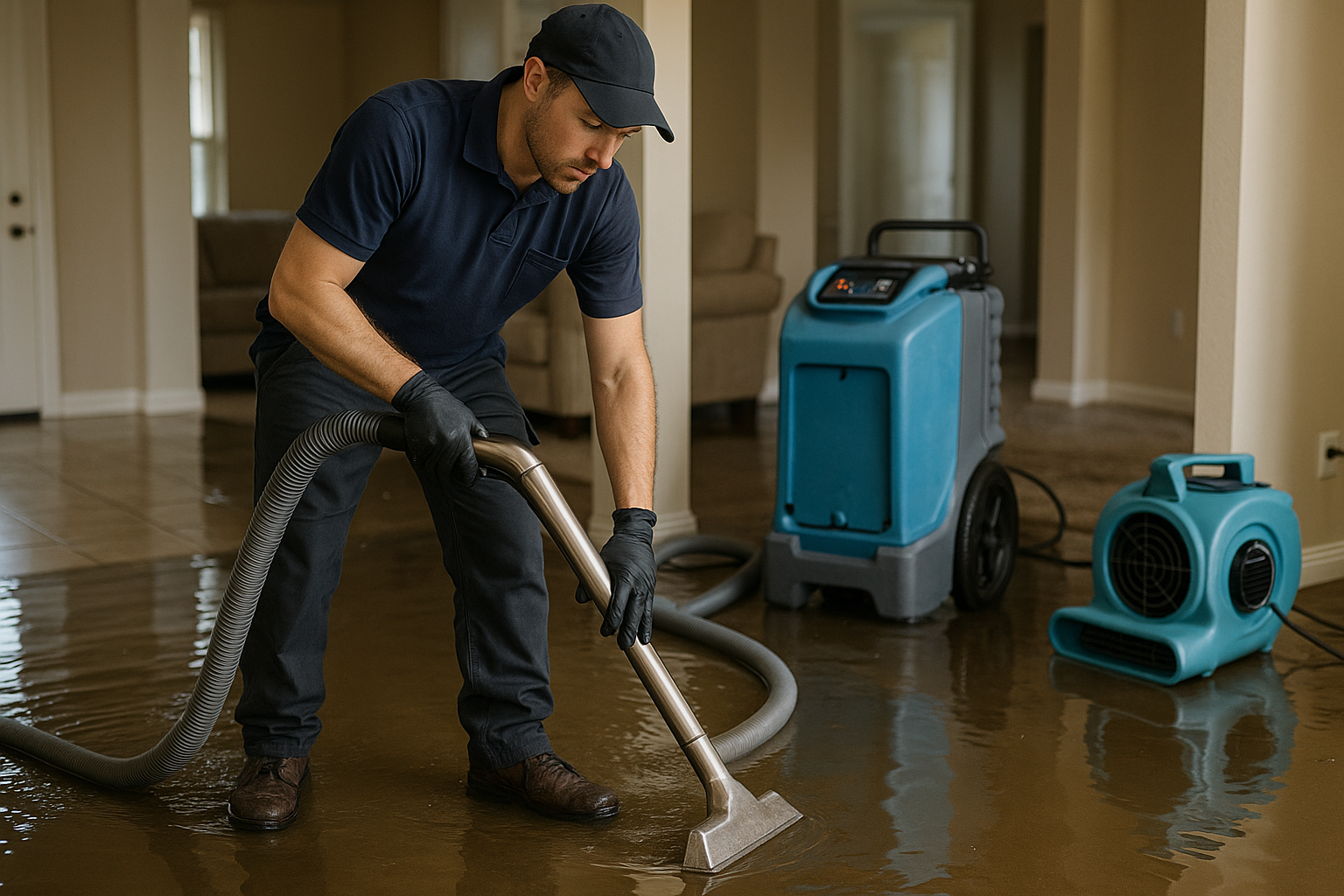
Storms in Tampa push heavy rain, surge, and humidity into homes and businesses, and storm water damage restoration tampa teams are often the first to respond after an event. Storm flooding and roof breaches can send contaminated water into walls and floors, and fast action prevents mold growth and structural loss. Tampa homeowners should understand how storm water cleanup works and when to call professionals.
- How Tampa Storms Cause Interior Damage
- Storm Water Damage Restoration Tampa: Immediate Impacts
- Storm Water Damage Restoration Tampa: Drying And Repair Process
- Storm Flood Damage Repair Tampa: Repair Vs Replace
- Quick Checklist
- Frequently Asked Questions
How Tampa Storms Cause Interior Damage
Tampa sits in a coastal zone that sees hurricanes, tropical storms, and intense summer downpours that test building envelopes. Storm surge can push saltwater and debris into lower levels while heavy rainfall overwhelms gutters and drains. Roof failures during hurricanes let water track into ceilings and attic insulation, and flash flooding carries contaminated water into living spaces. Humidity in Florida accelerates mold growth after wetting events and complicates drying efforts.
In many Tampa homes after major storms, we often find hidden water damage inside drywall and insulation that homeowners cannot see. Tampa Bay neighborhoods near low-lying areas and canals face repeated exposures that raise long-term repair costs. Hillsborough County emergency teams often issue advisories, and residents should assume that standing stormwater is contaminated until judged otherwise.
Storm Water Damage Restoration Tampa: Immediate Impacts
Tampa properties exposed to storm water face several immediate impacts that require rapid mitigation. Floodwater contaminated with sewage or chemicals creates health risks and requires category-based cleanup protocols. Electrical systems exposed to water become shock and fire hazards, and homeowners should avoid power until inspected by professionals. Smoke and soot from nearby house fires can combine with water damage to stain surfaces and complicate cleaning.
We have restored dozens of Tampa Bay homes after hurricanes, reducing repair costs by targeted mitigation and early drying. Tampa restoration cost ranges vary widely by damage category, and initial triage often reveals whether jobs fall in the low thousands or require major structural repairs above ten thousand dollars.
Storm Water Damage Restoration Tampa: Drying And Repair Process
Tampa restoration crews follow a clear process to stabilize properties and limit secondary damage after storm water intrusion. Technicians first assess contamination and structural risk, then remove standing water using pumps and extractors. Technicians place drying equipment and monitor moisture until materials reach acceptable levels, and selective demolition removes unsalvageable wet materials.
Tampa technicians document conditions for insurance and provide a plan for structural drying, antimicrobial treatments, and restoration. In many Tampa homes we remove soaked insulation and inspect wall cavities for trapped water, and that observation often saves homeowners future mold remediation expenses. Florida humidity requires extended drying times compared to drier climates, and professionals advise continued monitoring even after visible dryness.
For comprehensive service, RestoWRX offers detailed estimates and full mitigation work through our water damage restoration services at water damage restoration services. Tampa customers also find guidance on preventing large losses in our water mitigation savings article at water mitigation savings.
Storm Flood Damage Repair Tampa: Repair Vs Replace
Tampa homeowners often ask whether to repair or replace materials after storm flooding, and the decision depends on contamination and structural integrity. Porous materials like drywall and carpet exposed to category three floodwater normally require replacement, and nonporous surfaces can often be cleaned and sanitized. Structural members soaked for long periods may lose strength and need professional evaluation.
Tampa contractors typically price small restorations from about fifteen hundred to five thousand dollars, while larger structural repairs after severe storms can range from ten thousand to twenty thousand dollars or more. Insurance claim challenges are common after disasters, and detailed documentation from technicians helps speed approvals. Florida homeowners should also review flood policy details because standard homeowners insurance often excludes flood damage from storm surge.
When deciding between repair and replace, prioritize health, structural safety, and long-term costs. Experienced technicians can often salvage framing and finishes with focused drying and antimicrobial treatment, but replacement is the safer option for heavily contaminated materials.
Quick Checklist
- Turn Off Electricity If Water Has Entered Living Areas.
- Document Damage With Photos Before Cleanup Begins.
- Call A Licensed Restoration Company Immediately.
- Keep Wet Materials Exposed For Faster Drying When Safe.
- Notify Your Insurance Agent And Save All Receipts.
If you need immediate help in Tampa after a storm, call RestoWRX for 24/7 rapid response and professional containment to limit mold, structural loss, and long-term costs. Contact our Tampa crew now for same-day assessments and mitigation work, and let our team protect your home and help with documentation for insurance claims.
Frequently Asked Questions
How Quickly Should I Call A Restoration Company After A Storm?
Call a restoration company as soon as it is safe and practical after the storm. Fast response reduces mold risks and often cuts overall repair costs substantially.
Will My Insurance Cover Storm Flood Damage Repair In Tampa?
Coverage depends on your policy and whether damage came from flooding or wind-driven water. Homeowners should check flood insurance and document losses for claims.
Can Mold Grow After A Flood In Florida?
Yes, Florida humidity accelerates mold growth and untreated wet materials can show mold within forty eight hours. Professionals use drying and antimicrobial measures to reduce mold risk.
Is Floodwater Considered Contaminated In My Home?
Many storm floodwaters are contaminated with sewage and chemicals and are treated as category three until lab results say otherwise. Restoration crews follow strict safety protocols for contaminated water.
How Long Does Structural Drying Take In Tampa?
Drying time varies by material and humidity but often requires several days to weeks in Tampa conditions. Technicians monitor moisture and adjust equipment until materials reach safe levels.
For federal preparedness guidance on flood response and safety, consult FEMA at https://www.fema.gov for official steps homeowners should follow after major storms.