
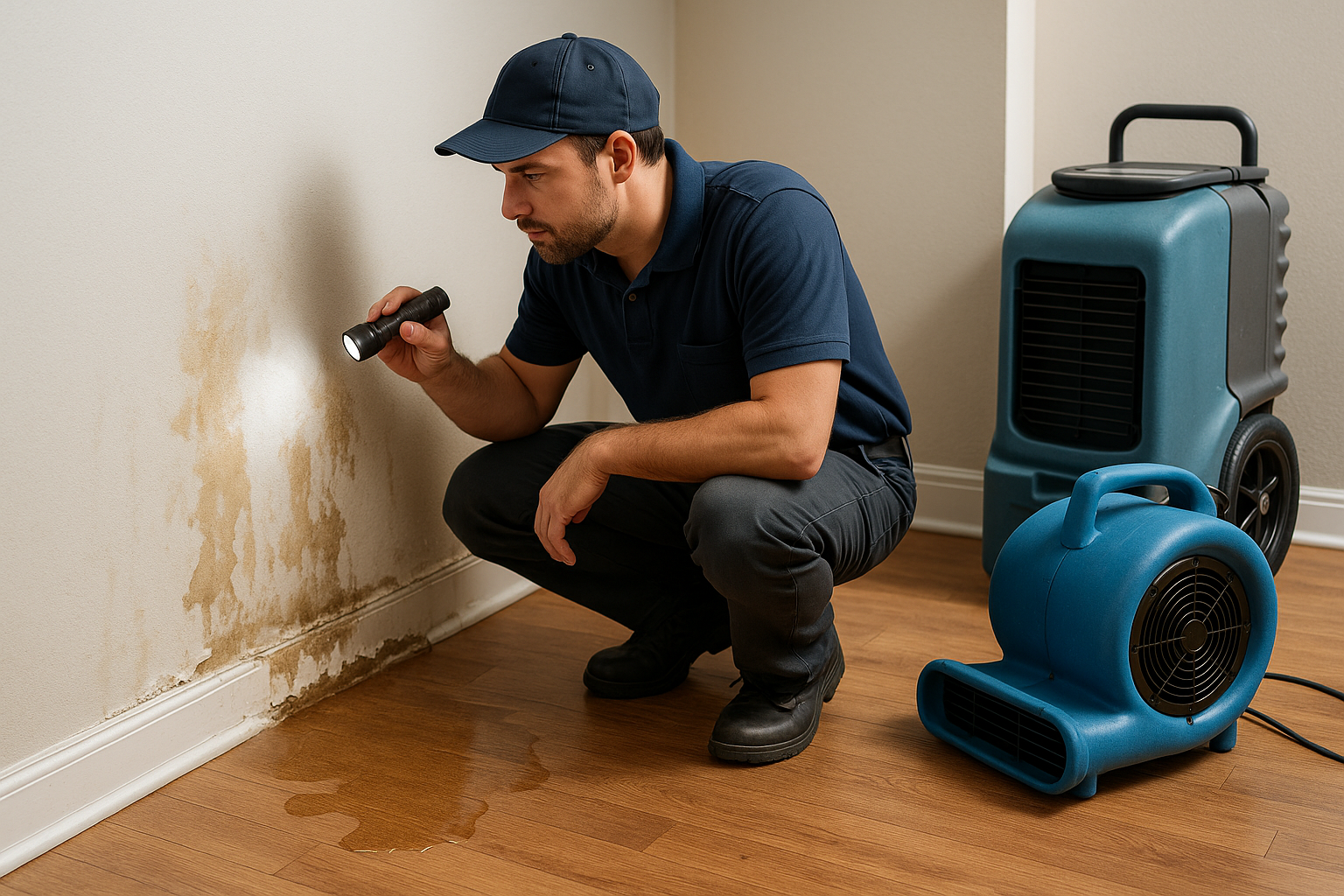
Appliance leak water damage Tampa often starts small and grows into hidden structural and mold problems that homeowners do not see. Appliance leaks from dishwashers, ice makers, or water heaters can soak subfloors, slip behind baseboards, and saturate insulation without obvious surface water. Appliance water damage creates long-term hazards in Tampa homes because local humidity, hurricanes, and heavy rainfall speed mold growth and structural decline.
- Appliance Leak Water Damage Tampa: Why It Hides
- Appliance Leak Water Damage Tampa: Signs To Watch
- Tampa Water Damage Restoration Services
- Quick Checklist
- Repair Vs Replace And Costs In Tampa
- Frequently Asked Questions
Appliance Leak Water Damage Tampa: Why It Hides
Appliance leaks hide because water follows the path of least resistance into wall cavities, under flooring, and into appliance bays. Water migrates quickly through gaps and under cabinets where homeowners rarely look. Appliance water damage in Tampa worsens faster because Florida humidity and summer heat fuel mold growth and wood rot. Appliance leaks from a dishwasher often flood under the unit and travel beneath vinyl or tile flooring lines.
Appliance leak water damage Tampa also hides due to slow chronic leaks that drip for weeks. Small slow leaks saturate drywall and insulation and do not always leave puddles. Appliance water damage may also mix with contaminants from washing machine wastewater or storm-contaminated supply lines during heavy rains. Appliance-related moisture works behind finishes and short-circuits electrical systems in kitchens and laundry areas.
Appliance Leak Water Damage Tampa: Signs To Watch
Warped baseboards, bubbling paint, and musty odors signal hidden leaks in Tampa homes. Stains on ceilings below an appliance level can mean water migrated through floors or wall cavities. Increased mold or allergic symptoms in a household often correlate with unseen moisture. Loose or spongy flooring near appliances is a red flag that requires fast action in humid Florida climates.
Pay attention to high water bills, visible pooling, and recurring clogs that hide slow leaks. Technicians often find saturated insulation behind walls and wet subfloor after removing cabinets. In many Tampa homes after major storms, we often find hidden water damage inside drywall and insulation that homeowners cannot see.
Tampa Water Damage Restoration Services
RestoWRX provides targeted mitigation and drying that reduces long-term damage in Tampa and Hillsborough County. Our technicians extract water, deploy structural drying, and monitor moisture until safe levels return. Restoration work in Tampa must address Florida humidity and seasonally high storm frequency. Restoration after appliance leaks often requires dehumidification, antimicrobial treatment, and selective demolition to remove contaminated materials.
For a quick response, homeowners can request our water damage restoration assessment. Our experienced crews document conditions for insurance and advise on repair vs replace decisions. For full service details visit our water damage restoration page.
Quick Checklist
- Shut off the water source and power near the appliance if safe to do so.
- Remove visible standing water and dry surfaces with towels.
- Call RestoWRX for a moisture inspection and documented assessment.
- Photograph damage for insurance and limit access to affected areas.
- Start remediation quickly to prevent mold growth in Tampa humidity.
Repair Vs Replace And Costs In Tampa
Small appliance leak cleanup in Tampa can cost a few hundred to a couple thousand dollars for localized drying and repairs. Extensive appliance water damage with structural drying and material replacement can range from $1,500 to over $10,000 depending on scope. Insurance policies vary and may cover mitigation but deny cosmetic upgrades unless structural harm exists. Homeowners should document damage and consult with RestoWRX before signing repair estimates.
We evaluate whether to repair or replace drywall, insulation, or flooring by testing moisture and contamination. Experience shows that replacing insulation and affected drywall reduces mold risk in Tampa Bay homes. A typical technician field observation often notes that hidden moisture lingers in corner cavities and under bathtubs after appliance failures.
One experience-based sentence describes our process: We always test panels and studs for residual moisture before approving repairs to prevent rework and mold recurrence.
Call RestoWRX if you suspect appliance water damage in Tampa. Our crews respond quickly to stop water, dry structures, and document losses for claims. Immediate action reduces restoration costs and health risks from mold and contamination.
Frequently Asked Questions
How Quickly Should I Act After An Appliance Leak?
Act within 24 to 48 hours to limit mold growth and structural damage. Call a professional for extraction and drying to prevent long-term costs in Tampa humidity.
Can I Dry The Area Myself After A Dishwasher Leak?
You can remove standing water and run fans briefly but avoid full dry-out attempts without moisture meters. Professional drying prevents trapped moisture behind appliances and reduces mold risk.
Will My Insurance Cover Appliance Water Damage?
Coverage depends on policy language and cause of loss. Sudden leaks often qualify but long-term neglect may be excluded. Document damage and consult an adjuster early to improve claim outcomes.
When Should I Replace Drywall Or Flooring?
Replace materials when moisture readings stay above safe levels or when contamination exists. See our guidance on drywall repair and replacement in Tampa at drywall repair guidance.
Are There Health Risks From Appliance Water Damage?
Yes, mold and bacterial growth in warm Tampa homes can worsen asthma and allergies. Contaminated water from floods or sewage increases health risks and requires professional remediation.
For authoritative disaster cleanup guidance see CDC flood cleanup information and contact RestoWRX for local response in Tampa and Tampa Bay to minimize long term damage and insurance headaches.