
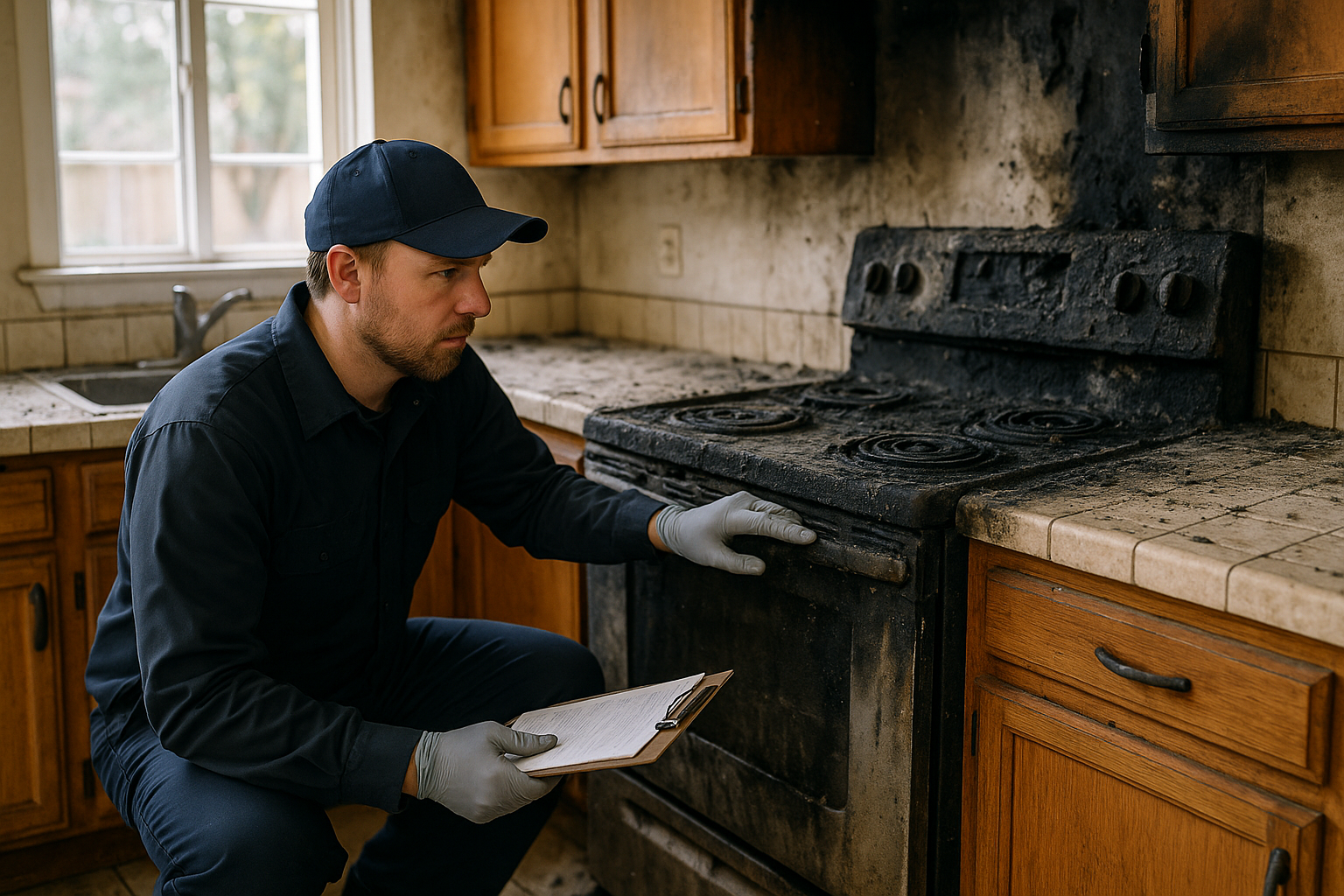
Appliance fire damage restoration Tampa requires quick action and local knowledge to protect homes from smoke, soot, and water intrusion caused by firefighting efforts. Appliance fires often begin with faulty wiring, worn components, or overloads in everyday devices such as ovens, dryers, and refrigerators. RestoWRX crews know Tampa homes and Florida weather factors like high humidity and storm-related power surges that raise electrical fire risks.
- Appliance Fire Origins
- Failure Modes And Risks
- Immediate Cleanup Steps
- Repair Vs Replace And Costs
- Quick Checklist
Appliance Fire Damage Restoration Tampa: How Electrical Appliances Ignite
Electrical appliance fires start in Tampa homes for several reasons including frayed cords, overloaded circuits, and defective components. Heat and sparks near flammable materials like curtains or cardboard can trigger rapid flame spread. Tampa storms and frequent humidity can corrode connections and raise the chance of shorts during power surges. Residents should know that small smoldering starts are common and often produce heavy smoke before open flames appear.
Appliance fire damage restoration Tampa begins with scene safety, securing utilities, and assessing structural and smoke impacts. Technicians must isolate compromised wiring and test moisture in nearby ceilings and floors if firefighting water entered the home. In many Tampa homes after major storms, we often find hidden water damage inside drywall and insulation that homeowners cannot see.
Appliance Fire Damage Restoration Tampa: Common Appliance Failure Modes
Electric dryers, ranges, and freezers are frequent sources of appliance fires due to lint buildup, failing thermostats, and faulty compressors. Motors that overheat can ignite internal insulation or nearby fabrics. Tampa homeowners often report dryer fires following heavy rainfall or power outages when residents run appliances continuously to catch up. Experience shows that delayed maintenance and ignoring unusual smells are top contributors to these incidents.
Humidity in Tampa Bay accelerates corrosion at terminals and can create intermittent shorts. Storm-related flooding and roof leaks may expose appliances to water intrusion, which increases short-circuit risks. Smoke and soot from appliance fires travel quickly through ductwork and attics, so early containment helps reduce long-term odor and mold issues.
Electrical Fire Cleanup Tampa: Immediate Steps After A Fire
Ensure safety by keeping clear of the property until fire officials declare it safe to enter. Contact your insurance carrier and document damage with photos before removal when possible. Call a licensed electrician to inspect and tag all electrical systems before power is restored.
Contact professional cleanup teams for smoke, soot, and water extraction to limit secondary damage. Our team offers full fire damage restoration and often coordinates with electricians and contractors. You can learn more about our full fire damage restoration services at RestoWRX fire damage restoration.
For persistent odors and embedded soot, we provide specialized services including smoke and odor removal to restore indoor air quality and salvageable contents. Follow FEMA guidance for immediate recovery steps and safety recommendations at FEMA.
Repair Vs Replace And Local Cost Considerations
Deciding whether to repair or replace appliances depends on fire extent, appliance age, and insurer coverage. Small surface fires may be repairable when wiring and controls remain intact. Severe fires that warp metal or contaminate electronics usually require replacement for safety.
Tampa restoration cost ranges vary with size and damage. Typical electrical fire cleanup in Tampa homes can range from a few thousand dollars for focused smoke cleanup to tens of thousands for structural repairs after heavy smoke and water intrusion. Costs rise when mold remediation is needed after humid conditions cause growth. Your adjuster and our estimator can outline repair versus replacement options to help you choose the best path forward.
One technician field observation: On many sites in Hillsborough County, we see smoke staining above cabinets and in attics even when floor-level damage appears minor. This staining often signals deeper contamination and hidden soot pathways to address during restoration.
Quick Checklist
- Ensure Safety And Wait For Fire Officials To Clear The Scene.
- Document Damage With Photos Before Moving Items.
- Shut Off Power And Contact A Licensed Electrician.
- Call A Local Restoration Company For Smoke And Water Extraction.
- Keep Receipts And Contact Your Insurance Adjuster Quickly.
Call RestoWRX for fast response from a local Tampa team that understands area storm patterns, humidity impacts, and insurance challenges. Our restoration technicians work with homeowners through emergency mitigation, structural drying, and full rebuilds to speed safe occupancy. Contact our restoration team to start an assessment and secure the property today at our main line.
Frequently Asked Questions
How Do Appliance Fires Typically Start?
Most appliance fires begin with electrical faults, overloaded outlets, or poor maintenance. Lint, grease, and cloth near heat sources often ignite once an internal fault produces a spark.
Can Smoke And Soot Be Fully Removed From A Home?
Professional cleaning and deodorization can remove most soot and odors from structures and contents. Some porous materials may need replacement if contamination is severe.
Will Insurance Cover Appliance Fire Damage In Tampa?
Coverage varies by policy and the cause of the fire. Most homeowner policies cover fire damage, but flood or storm surge contamination may need separate coverage. Keep documentation to support your claim.
How Soon Should I Start Restoration After A Fire?
Begin mitigation within 24 to 48 hours to reduce secondary damage from water and humidity. Quick action limits mold growth and structural deterioration.
Do You Inspect For Hidden Water Damage After Firefighting?
Yes, professionals check inside walls and ceilings for water intrusion and dry structural cavities. In many Tampa homes after major storms, hidden water damage inside drywall and insulation appears without obvious signs.