
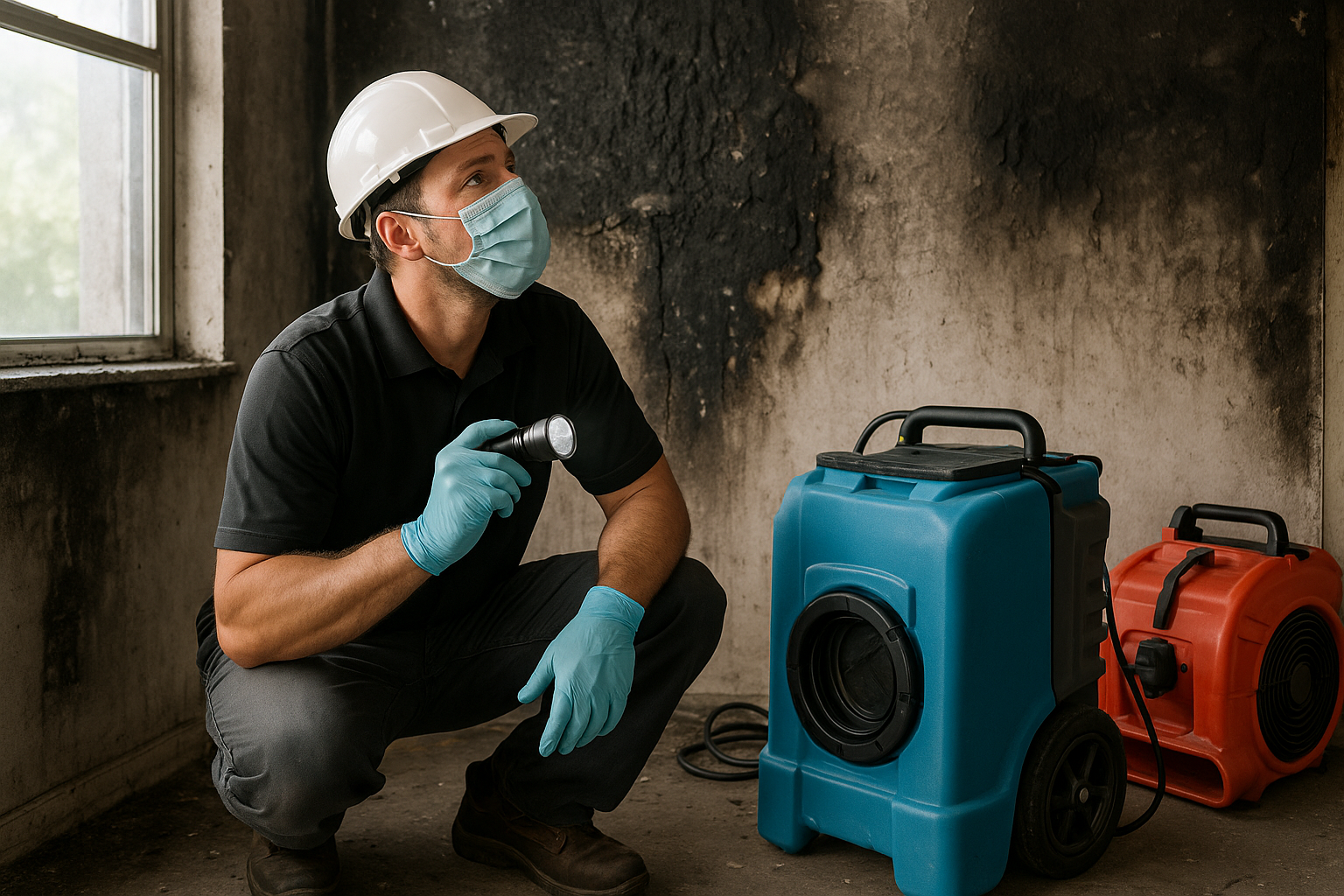
Fire damage cleanup Tampa requires fast action, clear priorities, and local knowledge of Florida conditions. Professionals start with safety checks, then move through smoke cleanup and structural drying while addressing humidity and storm risks in Tampa Bay.
- Fire Damage Cleanup Tampa: Initial Response
- Home Fire Restoration Tampa: Repair Vs Replace
- Smoke Cleanup And Soot Removal In Tampa
- Fire Damage Cleanup Tampa: Structural Drying And Mold Prevention
- Quick Checklist
- Frequently Asked Questions
Fire Damage Cleanup Tampa: Initial Response
First, technicians secure the scene and verify safety for occupants and crews. Next, professionals work with local fire authorities to document damage for insurance purposes. Then, crews remove debris and board openings to prevent theft and further weather intrusion from storms in Tampa Bay. If roofs or windows are compromised, crews mitigate water intrusion that can lead to mold in Florida humidity. Many Tampa homes also face combined storm and fire damage after hurricanes, so teams prioritize tarps and temporary repairs.
One realistic technician observation is this. In many Tampa homes after major storms, we often find hidden water damage inside drywall and insulation that homeowners cannot see. This hidden water accelerates mold growth when combined with smoke residue if not dried quickly.
Home Fire Restoration Tampa: Repair Vs Replace
Assessing repair versus replace starts with a full inspection of structure, systems, and contents. Technicians separate salvageable items from unsalvageable materials using industry standards and insurance guidelines. Structural elements like studs and joists are evaluated for char depth and heat exposure before deciding to repair. Electrical systems receive special attention because electrical fire risks can persist after a blaze.
Tampa restoration cost ranges vary with damage severity and contamination level. Typical cleanup for minor house fires in Tampa can cost $3,000 to $10,000. Major structural fire repairs and full restorations often range from $20,000 to $75,000 or more, depending on rebuilding needs and hurricane reinforcement. Technicians discuss options with homeowners and insurers to find the best value for Tampa and Hillsborough County properties.
Smoke Cleanup And Soot Removal In Tampa
Smoke cleanup is a meticulous process that restores air quality and removes soot from surfaces. Professionals test for odor and particulate concentration before selecting chemical sponges, HEPA vacuums, and thermal fogging. Technicians also perform content cleaning in a controlled area to avoid cross-contamination during humid Florida days. For persistent odors, specialized services are available and can be coordinated with local smoke odor removal experts by following our service guidance from RestoWRX.
For detailed steps on content cleaning and odor control, see our full fire restoration services page. For targeted smoke odor solutions in the Tampa area, visit our smoke odor removal guide.
Fire Damage Cleanup Tampa: Structural Drying And Mold Prevention
Water used to extinguish fires often creates urgent drying needs and increases the risk of mold. Technicians deploy industrial dehumidifiers and axial fans to control Florida humidity and prevent mold growth. Structural drying plans account for roof leaks, floodwater contamination from storm surge, and plumbing damage caused during firefighting. Experts monitor moisture levels until materials reach safe dryness thresholds.
Technicians also coordinate with licensed mold remediators when needed, and they document drying processes for insurance claims. One experience-based sentence is this. After years of work in Tampa, we find that timely drying typically prevents secondary mold issues that otherwise require costly remediation.
Quick Checklist
- Ensure everyone is safe and call 911 if needed.
- Contact your insurance company and document damage with photos.
- Secure the property from weather and theft with tarps and boards.
- Start professional smoke cleanup and structural drying immediately.
- Keep receipts and contractor notes for claims and future repairs.
When you need immediate help in Tampa, call a local restoration company with experience in fire, smoke cleanup, and storm-related damage. RestoWRX crews operate across Tampa and Hillsborough County and can coordinate emergency board-up, drying, and content recovery quickly. Access professional support for claims and repairs through our fire restoration page, and follow FEMA guidance for disaster recovery to understand broader recovery steps.
Frequently Asked Questions
How Fast Should Fire Damage Cleanup Start?
Clean up should start as soon as the fire department clears the home. Rapid action reduces secondary water and mold damage in Tampa humidity. Professionals typically begin stabilization and documentation within 24 hours.
Will Insurance Cover Fire Damage In Tampa?
Coverage depends on your policy and the cause of the fire. Most homeowners policies cover emergency restoration, smoke cleanup, and structural repairs. Technicians can document conditions and provide itemized estimates to support claims and insurer questions.
Can Smoke Odor Be Removed From Furniture?
Many furniture items can be restored with specialized cleaning and deodorization. Porous materials sometimes require replacement if smoke penetrates deeply. Technicians evaluate each piece and recommend the most cost-effective approach.
How Does Florida Weather Affect Restoration?
Florida humidity and storms make quick drying and weatherproofing essential. Heavy rainfall and hurricane surge can worsen fire damage with contaminated floodwater. Restoration plans in Tampa often include extra dehumidification and mold prevention steps.
What Are Typical Costs For Fire Damage Cleanup Tampa?
Costs vary widely by severity and contamination. Small surface fires often fall between $3,000 and $10,000. Large losses that require structural rebuilds and content replacement can exceed $20,000 to $75,000 in the Tampa area. Technicians provide itemized estimates to help homeowners decide repair versus replace.
Additional Resources And Links.
For complete restoration procedures and to schedule an assessment, visit our detailed fire restoration services page. For targeted smoke odor removal in Tampa, see our smoke odor removal resource. For official disaster recovery guidance, consult FEMA for safety and documentation recommendations.