Tampa Water Damage Restoration requires fast action and local knowledge to limit long term loss after hurricanes, heavy rain, or roof leaks. RestoWRX teams respond across Tampa Bay and Hillsborough County with equipment, moisture mapping, and proven drying plans.
- Tampa Water Damage Restoration: Why Local Response Matters
- Tampa Water Damage Restoration Process And Structural Drying
- Quick Checklist
- Tampa Restoration Costs And Repair Vs Replace
- Flood And Storm Restoration In Tampa Bay
- Frequently Asked Questions
Tampa Water Damage Restoration: Why Local Response Matters
Tampa homeowners face unique risks from high humidity, seasonal hurricanes, and coastal storm surge. Rapid response limits mold growth and secondary damage, which is why local crews are essential. RestoWRX maintains crews across Tampa and the greater Tampa Bay area to reach homes quickly after storm events. Insurance claims in Hillsborough County often require documentation and fast mitigation to avoid denials or delays during major storm seasons.
Tampa properties often show hidden intrusion from roof leaks after heavy rainfall. In many Tampa homes after major storms, we often find hidden water damage inside drywall and insulation that homeowners cannot see. This technician observation explains why early inspection and moisture mapping are standard practice.
Tampa Water Damage Restoration Process And Structural Drying
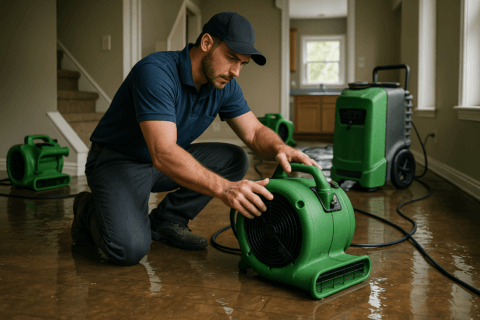
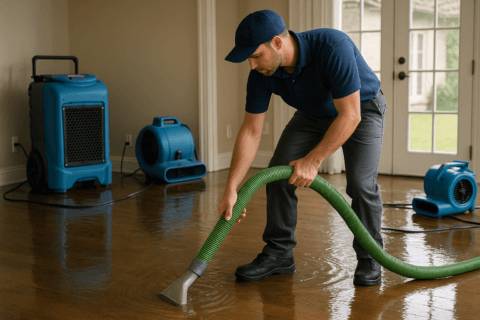
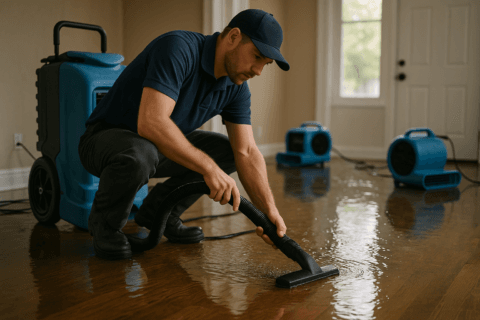
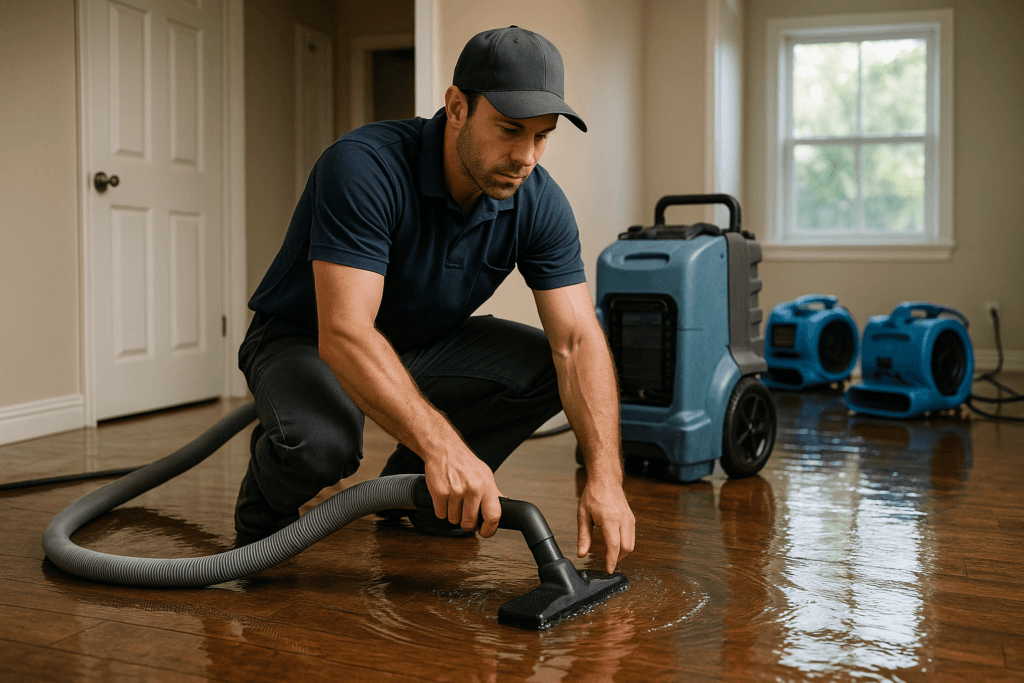
Tampa Water Damage Restoration follows a clear, documented process to restore safety and habitability. Technicians assess contamination levels, measure moisture, and create a drying plan that targets structural cavities and flooring. Structural drying prevents long term deterioration of framing and finishes in humid Florida climates.
Technicians use thermal imaging and hygrometers to locate moisture behind walls and under floors. From experience, drying hardwood floors quickly reduces cupping and warping. The process also addresses floodwater contamination when storm surge or sewer backups occur. Documentation of the mitigation steps helps homeowners navigate insurance claim challenges after disasters.
Read practical recovery steps and timelines in our flood recovery tips to prepare for property restoration in Tampa Bay.
Flood And Storm Restoration In Tampa Bay
Flood and storm restoration in Tampa Bay must account for hurricane impacts, storm surge, and prolonged high humidity. Floodwater often brings contamination, and cleaning must follow health guidelines for disposal and sanitation. Smoke and soot damage can also occur during storms that cause electrical fires or compromised appliances.
Hillsborough County neighborhoods near lowlands or rivers are particularly vulnerable to heavy rainfall flooding. Roof leaks after storms commonly introduce water into attics and ceiling cavities, which can fuel mold growth within days given Florida humidity. Proper drying and mold remediation are critical to prevent ongoing health and property issues.
Tampa Bay restoration also means considering building materials and local codes when repairing structural elements. Technicians coordinate with contractors and insurers to replace or repair materials based on exposure and contamination level.
Quick Checklist
- Turn Off Power If Water Reaches Outlets Or Electrical Panels.
- Document Damage With Photos And Short Videos For Insurance.
- Move Valuables To Dry Areas And Elevate Furniture When Possible.
- Call A Licensed Restoration Team For Immediate Mitigation.
- Keep Receipts And Records Of Emergency Repairs And Services.
Tampa Restoration Costs And Repair Vs Replace
Tampa restoration costs vary with water category, square footage, and contamination. Minor cleanups often run from $1,000 to $3,500. Moderate structural drying and repairs typically range from $5,000 to $15,000. Major rebuilds or full gut-outs can exceed $25,000 for large homes after severe storm surge.
Deciding to repair or replace depends on contamination, material condition, and long term risk. Porous materials like drywall and carpet often require replacement after contaminated floodwater. Solid materials such as tile and concrete usually can be restored when properly sanitized and dried. Technicians evaluate materials on site and document recommendations for insurance adjusters.
For a full scope evaluation and price estimate, contact our team or visit our services page to learn about available options and timelines.
Call RestoWRX at 813-699-4009 for 24/7 emergency response in Tampa and surrounding communities. Our crews arrive with equipment, containment supplies, and a plan to protect homes from mold, smoke, and continued water intrusion.
Frequently Asked Questions
How Fast Should I Call A Restoration Company After Flooding?
Call a professional as soon as it is safe to do so to stop ongoing damage. Response within the first 24 hours makes a major difference in mold prevention and salvageable contents. Fast documentation also improves insurance outcomes.
Will My Home Need Full Replacement Of Flooring And Drywall?
Replacement depends on contamination and exposure time. Drywall and carpets exposed to contaminated floodwater often require removal. Clean water incidents may allow for restoration with rapid drying and sanitizing.
How Does Insurance Typically Handle Hurricane Related Damage?
Insurance policies vary and often require mitigation and timely documentation. Many claims need photos, invoices, and contractor notes to support coverage. RestoWRX assists with documentation to streamline claim submission.
Can Mold Grow After A Few Days In Tampa?
Yes, mold can begin to grow within 24 to 48 hours in warm, humid conditions. Tampa humidity accelerates growth, so quick drying and remediation are essential to limit spread and reduce health risks.
Are Floodwaters Considered Contaminated After A Hurricane?
Floodwaters often contain sewage, chemicals, and sediment from storm surge and are usually treated as contaminated. Proper cleanup follows health guidelines and may require removal of affected materials and professional sanitation.
For emergency restoration after storms or unexpected water intrusion, call RestoWRX now. Our local Tampa crews provide fast mitigation, clear estimates, and coordination with adjusters to restore homes quickly and safely.
For additional guidance on flood preparedness and recovery, consult FEMA for official resources and safety recommendations at FEMA.