Toilet overflow water damage Tampa poses a fast, hidden threat to flooring and subfloors in Tampa homes. Toilet overflow water damage Tampa introduces contaminated or clean water depending on the source and can wick into tile grout, laminate seams, wood boards, and into drywall cavities within minutes. Toilet overflow events in Tampa often follow storms, heavy rains, or household plumbing failures and they demand immediate action to limit mold growth and structural damage.
- How Toilet Overflow Water Damage Tampa Destroys Flooring Fast
- Water Damage Restoration Tampa Professionals
- Toilet Overflow Water Damage Tampa: Cleanup And Drying Steps
- Quick Checklist
- Cost Considerations And Repair Vs Replace
- Frequently Asked Questions
How Toilet Overflow Water Damage Tampa Destroys Flooring Fast
When a toilet overflows, water spreads rapidly along the path of least resistance. Water Soaks into grout lines, under tiles, and along baseboards in a short time. Porous materials such as vinyl, laminate, and engineered wood trap moisture and lose adhesion within hours. Subfloor wood can begin to swell and delaminate within 24 to 48 hours in Tampa humidity. Mold spores start colonizing damp drywall and insulation if water remains for more than 48 to 72 hours.
Storms and heavy rainfall in Tampa Bay increase the risk that an overflow will come with contaminated water or higher indoor humidity. Storm Surge And floodwater contamination can complicate a toilet overflow during coastal storms. Electrical fire risks rise if water reaches outlets or appliances in bathrooms. Structural drying becomes more difficult when Florida humidity stays high after a storm.
Water Damage Restoration Tampa Professionals
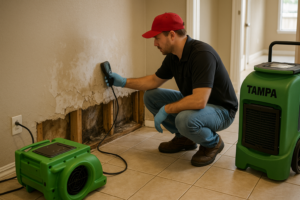
RestoWRX provides rapid response and certified drying for bathroom water incidents in Tampa and Hillsborough County. Technicians use moisture meters, thermal cameras, and commercial dehumidifiers to find hidden wet pockets. In many Tampa homes after major storms, we often find hidden water damage inside drywall and insulation that homeowners cannot see. From our experience, homeowners who call quickly avoid larger insurance claim challenges and higher repair costs.
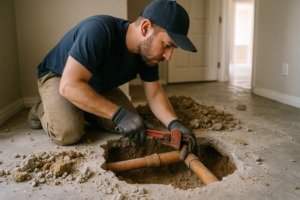
Technicians document damage with photos and moisture readings for insurance adjusters and policy records. Technicians also check for smoke and soot damage after appliance fires that may have coincided with water intrusion. Technicians coordinate structural drying, mold prevention, and controlled demolition when necessary to protect subfloors and framing.
Toilet Overflow Water Damage Tampa: Cleanup And Drying Steps
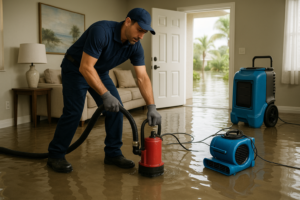
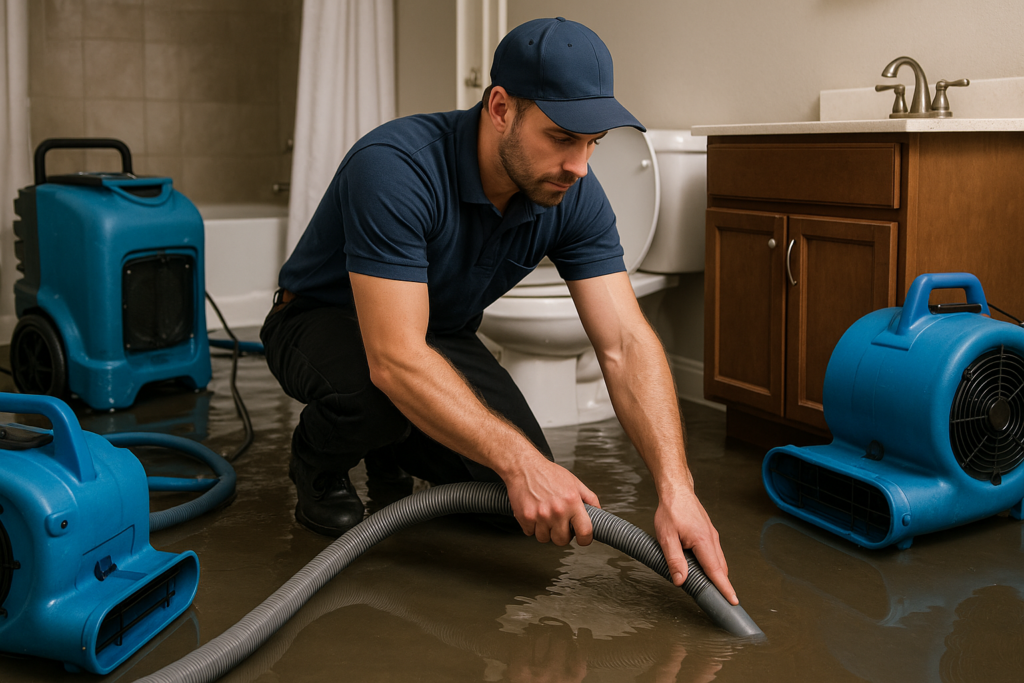
First, stop the source and turn off water to the toilet if safe to do so. Second, remove standing water with a wet vacuum or pump and extract as much moisture as possible. Third, pull loose materials such as rugs, portable cabinets, and saturated baseboards to expose the floor. Fourth, set up air movers and dehumidifiers to begin structural drying while monitoring moisture levels. Fifth, sanitize affected areas when water contains contaminants, especially after storms or sewer backups.
RestoWRX follows industry drying standards and documents progress until humidity and material moisture return to normal. Homeowners should avoid walking on soaked floors to prevent spreading contamination or causing delamination. Homeowners should also watch for lingering odors, peeling adhesives, or warped boards that indicate deeper issues.
For full restoration services, see our water damage restoration services page for Tampa projects and procedures. For repairs that affect flooring and drywall after floods, our flood and flooring repairs resource explains common fixes and next steps.
Quick Checklist
- Turn Off Water Supply And Electricity If Safe
- Remove Standing Water Immediately With Extraction
- Move Furniture And Expose Flooring To Airflow
- Start Professional Drying And Moisture Monitoring
- Document Damage For Insurance Claims
Cost Considerations And Repair Vs Replace
Cleanup and restoration costs in Tampa vary by contamination level, square footage, and material type. Smaller bathroom overflows often run from five hundred to three thousand dollars for extraction and controlled drying. Larger jobs that include flooring replacement, subfloor repairs, and mold remediation commonly range from three thousand to eight thousand dollars. Major storm damage or contaminated floodwater repair can exceed ten thousand dollars in complex cases.
Repair Versus Replace decisions depend on material condition, age, and contamination. Ceramic tile often survives with grout cleaning and underlayment replacement. Laminate and engineered wood often require replacement if moisture penetrates the core. Solid hardwood may be salvaged with rapid drying, sanding, and refinishing if swelling is limited. Insurance claim challenges often hinge on timely documentation and whether the loss stems from a sudden event or neglect.
Homeowners should consult restoration pros to assess costs and timeline. RestoWRX can provide a realistic estimate after inspection and moisture testing in Tampa homes and areas across Hillsborough County.
Frequently Asked Questions
How Fast Does Water Damage From A Toilet Overflow Spread?
Water moves quickly across bathroom floors and into seams in less than an hour. Materials like grout and vinyl trap water and allow hidden spread within a day. Mold can begin to form in damp conditions within 48 to 72 hours.
Can I Clean Up A Toilet Flood Myself?
Small clean water spills may be manageable for homeowners with proper extraction and drying equipment. Contaminated water, storm surges, or sewage backups require professionals for sanitizing and safety. Professional drying equipment limits hidden moisture and reduces mold risk.
Will My Insurance Cover Toilet Overflow Damage?
Coverage depends on policy terms and the overflow cause. Sudden plumbing failures usually qualify, while long-term leaks may not. Homeowners should document damage and contact insurers promptly to avoid claim denials and to address insurance claim challenges.
How Long Will Flooring Take To Dry After An Overflow?
Drying times vary by material and humidity, but most bathroom floors dry in two to seven days with professional equipment. High Florida humidity can extend drying times. Technicians monitor moisture until the structure meets drying criteria.
When Should I Replace Flooring After Water Damage?
Replace flooring when adhesives fail, boards delaminate, or mold contamination persists. Tile may be repaired if subfloor is sound. Technicians recommend replacement when cost and health risks outweigh salvage attempts.
If you notice toilet overflow water damage in Tampa, call RestoWRX for a rapid inspection and documented restoration plan. RestoWRX crews respond quickly to limit damage and work with insurance to streamline claims.
For detailed services or to request an inspection, review our water damage restoration services page or our flood and flooring repairs resource to understand next steps. For emergency planning and official guidance on flood risks, review FEMA guidance on flood safety and recovery.