Water Damage Restoration Tampa is critical after heavy rain, hurricane surge, or roof leaks in the Tampa Bay region. RestoWRX responds quickly to reduce damage, control mold, and document losses for insurance. Flooding and high humidity make Tampa homes vulnerable year-round, so fast action matters.
- Water Damage Restoration Tampa: What To Expect
- Water Damage Restoration Tampa Costs And Repair Vs Replace
- Flood Damage Recovery Tampa Bay Services
- Technician Field Notes And Drying Techniques
- Quick Checklist
- Frequently Asked Questions
Water Damage Restoration Tampa: What To Expect
Water Damage Restoration Tampa projects often begin with a fast inspection and moisture mapping. Technicians document wet materials, test humidity, and decide on immediate mitigation steps. Insurance adjusters prefer clear documentation and photos to speed claims after storms. RestoWRX provides detailed estimates and works with homeowners to prioritize safety and structural drying.
Hurricane winds, heavy rainfall, and roof damage cause many of these losses across Hillsborough County and nearby counties. Floodwater contamination influences the cleanup steps and may require specialized handling if storm surge is present. For safety tips during a storm event, the FEMA guidance helps homeowners prepare and respond.
Our team also monitors mold risk because Florida humidity accelerates microbial growth. From experience, we find that early drying and controlled demolition reduce long-term costs and secondary damage.
RestoWRX offers more detail on scope and services on our water damage restoration page and practical tips in our restoration blog.
Water Damage Restoration Tampa Costs And Repair Vs Replace
Water Damage Restoration Tampa costs vary by damage type and contamination level. Small clean-water losses may start around a few hundred dollars for drying. Moderate flooding with affected flooring and drywall often runs from one to five thousand dollars. Severe storm surge, structural repairs, and mold remediation escalate costs into the tens of thousands.
Repair Versus Replace decisions depend on material condition, contamination, and long-term risk. Technicians often recommend drying salvable materials like joists and hardwood if dry times are short. Technicians recommend replacement for insulation, carpet pads, and certain drywall when contamination or prolonged saturation exists.
Insurance coverage can affect out-of-pocket costs after hurricanes and storms. Policyholders should document damage, keep receipts, and ask contractors for detailed scopes that adjusters can review.
Flood Damage Recovery Tampa Bay Services
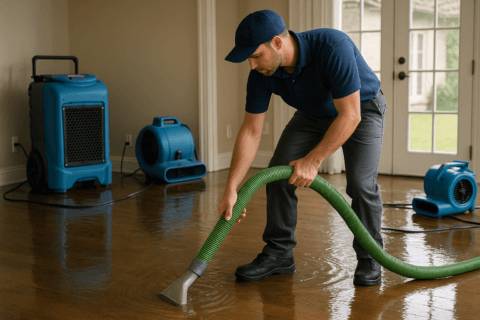
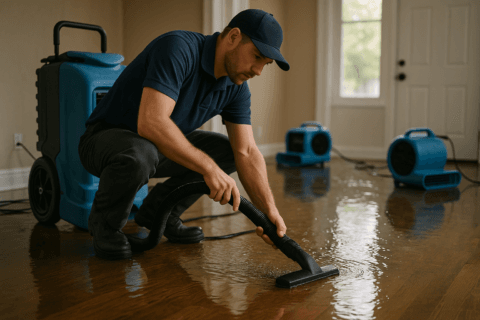
Flood Damage Recovery Tampa Bay includes extraction, decontamination, drying, and odor control. RestoWRX teams respond to storm surge, heavy rainfall, and localized flash floods across Tampa Bay neighborhoods. Contractors follow safety protocols when dealing with contaminated floodwater and structural hazards.
Storm Conditions in Florida often introduce saltwater and sewage into homes after surge and heavy rains. Technicians remove damaged materials, treat surfaces with EPA-registered disinfectants, and set up drying equipment to prevent mold growth. Storm related electrical fire risks require licensed electricians for any wiring repairs.
Technician Field Notes And Drying Techniques
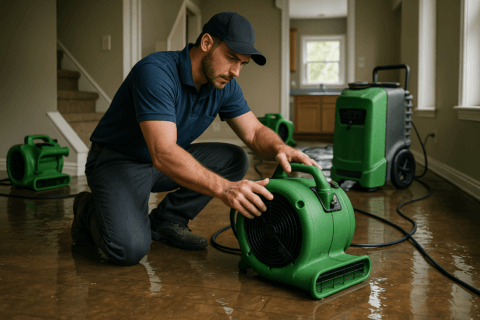
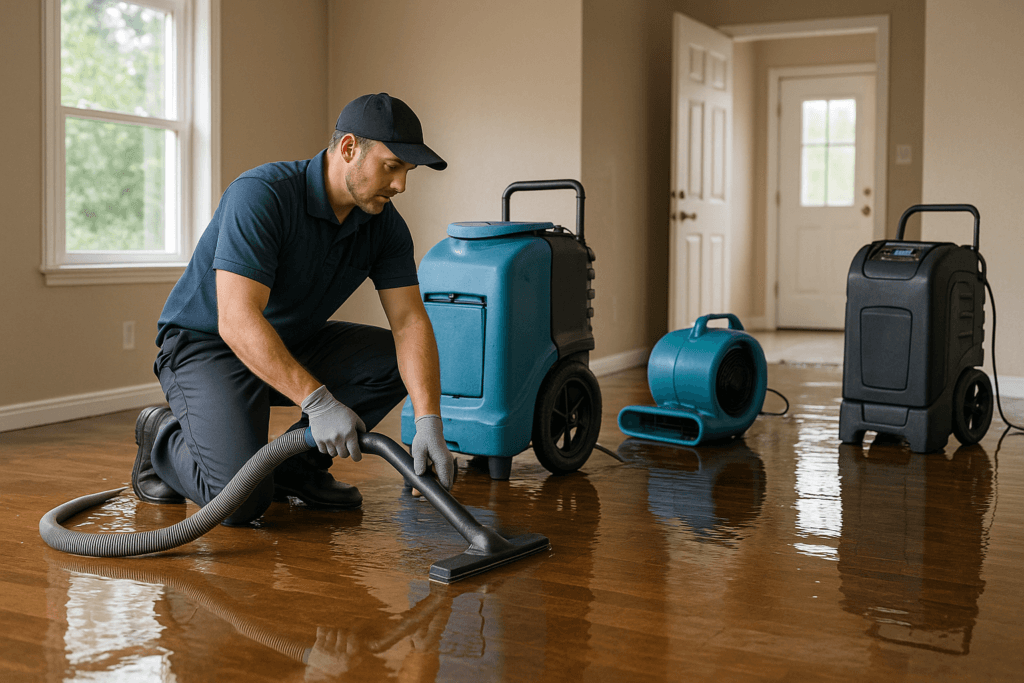
In many Tampa homes after major storms, we often find hidden water damage inside drywall and insulation that homeowners cannot see. Technicians use moisture meters and thermal imaging to locate hidden pockets of moisture behind walls and under flooring. Field crews set up air movers, dehumidifiers, and containment to control airflow and speed drying.
One realistic technician observation is that prolonged humidity can lock moisture into wall cavities even when surface materials appear dry. Crew members monitor moisture content daily and adjust equipment to match the drying curve. Experience-based notes from crews show that faster extraction and controlled demolition reduce mold risk and overall restoration time.
Technicians also advise on structural drying to protect framing and sheathing. Licensed trades handle electrical and roofing repairs after mitigation to restore safe, livable conditions.
Quick Checklist
- Turn Off Power If Water Reaches Outlets Or Appliances.
- Document Damage With Photos And Video For Insurance.
- Call A Licensed Restoration Company For Immediate Mitigation.
- Remove Valuables From Affected Areas And Move To Dry Space.
- Keep Receipts And Records For Any Emergency Repairs.
Contact RestoWRX for 24/7 emergency response in Tampa and the greater Tampa Bay area. Call our team for a fast inspection, written estimate, and coordinated insurance documentation to get you back to normal quickly.
Frequently Asked Questions
How Fast Should I Call A Restoration Company After Water Damage?
Call A restoration company as soon as it is safe to do so. Rapid response within the first 24 to 48 hours helps limit mold growth and structural damage.
Will My Insurance Cover Storm Or Flood Damage?
Coverage Depends On Your policy and the type of water loss. Standard homeowners policies cover sudden water damage from roof leaks but not flood damage from rising waters without a flood policy.
Can Drying Equipment Save My Floors And Walls?
Drying Equipment Often Saves many materials if used quickly. Technicians monitor and document progress to support repair decisions and insurance claims.
How Long Does Mold Remediation Take In Tampa?
Time Varies based on extent of colonization and humidity. Small mold jobs may take a few days and severe cases can require weeklong containment and remediation.
What Should I Expect During A Restoration Estimate?
Expect A detailed scope with moisture readings, affected material lists, equipment setup, and a timeline. A good estimate helps your insurer and sets clear expectations for repairs and replacements.
For local safety guidance and hurricane preparedness, review FEMA recommendations at https://www.fema.gov/hurricane.