Water damage restoration Tampa homeowners trust begins with a fast assessment and clear plan after storms, flooding, or leaks. Water damage restoration Tampa requires local knowledge of Florida humidity, storm surge risks, and common construction details in Hillsborough County homes. This guide explains what to expect after floodwater, roof leaks, or smoke and soot events and how RestoWRX responds across Tampa Bay.
- Quick Checklist
- Water Damage Restoration Tampa: Fast Response And Tactics
- Flood Restoration Services Tampa: Storm Surge And Contaminated Water
- Water Damage Restoration Tampa: Cost, Repair Versus Replace, And Local Risks
- Field Observations And Technician Notes For Tampa Homes
- Frequently Asked Questions
Quick Checklist
- Stop water source if safe and call a licensed restoration contractor immediately.
- Document damage with photos for insurance and do not discard wet materials before inspection.
- Turn off electricity in affected areas if there is standing water and visible electrical risk.
- Begin emergency drying and dehumidification with professionals to limit mold growth.
- Save receipts and contact your insurance agent early to start claims support.
Water Damage Restoration Tampa: Fast Response And Tactics
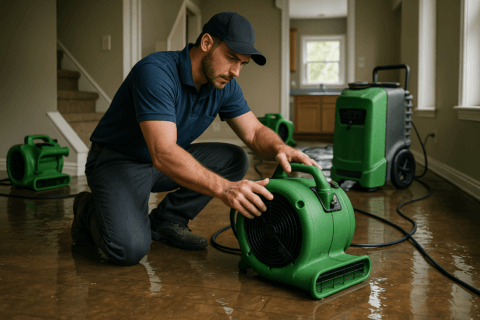
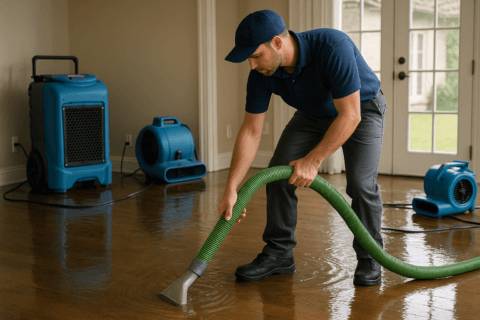
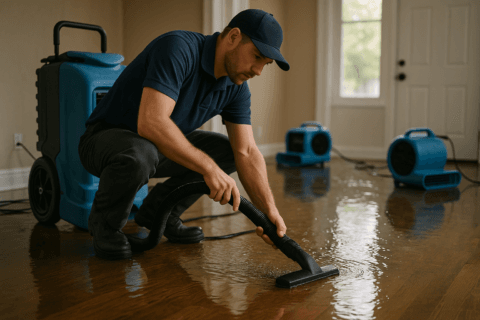
Rapid response reduces structural damage and mold risks in Tampa homes after heavy rainfall or roof leaks. Technicians arrive with pumps, air movers, and moisture meters to map affected zones and begin extraction quickly. In many Tampa homes after major storms, we often find hidden water damage inside drywall and insulation that homeowners cannot see. From experience, quick drying within 24 to 48 hours greatly reduces mold risk in Tampa’s high humidity.
Technicians follow industry drying standards and monitor moisture until materials reach safe levels. Emergency mitigation often includes water extraction, sanitizing contaminated floodwater, and setting up dehumidifiers to combat Florida humidity. Homeowners should expect coordinated communication with insurance adjusters and documented moisture readings throughout the process.
Flood Restoration Services Tampa: Storm Surge And Contaminated Water
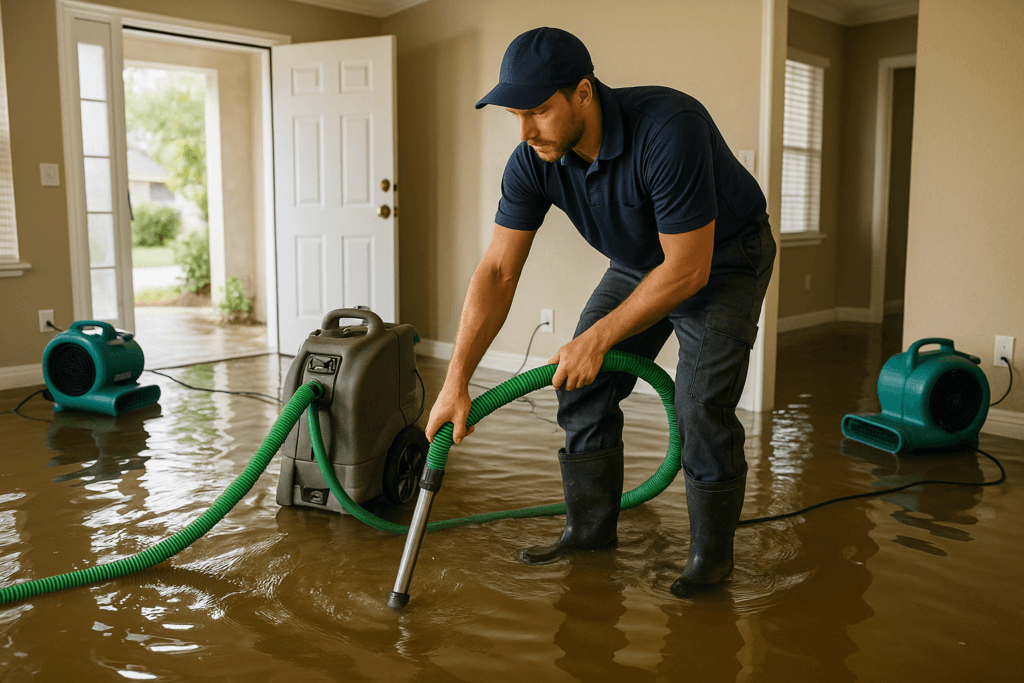
Flood restoration services Tampa property owners need after storm surge require specialized cleanup and disinfection. Floodwater from storm surge often carries contaminants and requires removal of porous materials like carpet and insulation. Structural drying is paired with antimicrobial treatments to prevent long-term damage and mold growth in the humid Tampa Bay climate.
RestoWRX technicians assess contamination levels and follow safety protocols when handling Category 3 floodwater. Tampa Bay neighborhoods near the coast can experience saltwater intrusion that accelerates corrosion and mold, so restoration plans must include corrosion control and timely repairs. For federal guidance on flood safety and cleanup, consult FEMA resources at FEMA.
Water Damage Restoration Tampa: Cost, Repair Versus Replace, And Local Risks
Tampa restoration cost ranges vary by severity and contamination. Small localized water losses can range from $1,000 to $4,000. Moderate events that require structural drying and partial removal often run $4,000 to $12,000. Major flood events with reconstruction needs can exceed $20,000 in Tampa Bay homes. Estimates depend on square footage, affected materials, and whether reconstruction is required.
Repair versus replace decisions focus on safety, cost-effectiveness, and mold risk. Technicians recommend repairing non-porous items and replacing saturated drywall, insulation, and carpet when contamination is present. In many cases, engineered wood flooring can be dried and salvaged if action occurs quickly. Insurance claim challenges increase after large storms, so keep records and work with professionals experienced in Hillsborough County claims.
Field Observations And Technician Notes For Tampa Homes
One realistic technician observation is that hidden moisture behind baseboards and inside closet walls often causes recurring mold in Tampa homes after storms. Technicians typically use infrared cameras and moisture meters to find pockets of trapped water that visual inspection misses. Experience shows that homes left unaddressed for 72 hours commonly require partial demolition to reach safe dryness levels.
Technicians also note common electrical fire risks when water reaches outlets and panel boxes. Safety protocols include shutting off power and coordinating with licensed electricians for repairs. Smoke and soot damage from house fires in the area also requires specialized cleaning and odor control to protect HVAC systems and indoor air quality.
Local environmental factors such as frequent storms, high humidity, and flood-prone zones in Tampa Bay make proactive maintenance and timely restoration essential. For homeowners in Hillsborough County and nearby counties, scheduled roof inspections and timely gutter maintenance reduce the chance of water intrusion and expensive repairs.
If your home in Tampa has recent water intrusion, storm damage, or mold concerns, contact RestoWRX for a fast inspection. Our trained team offers 24/7 emergency response, documented moisture readings, and help navigating insurance claims to speed repairs and reduce long-term costs. Call now or visit our water damage services page to request immediate assistance.
Frequently Asked Questions
How Quickly Should I Call A Restoration Company After Water Damage?
Call immediately after ensuring safety and stopping the water source if possible. Prompt action within 24 to 48 hours limits mold growth and reduces restoration costs in Tampa’s humid climate.
Will Insurance Cover Flood Or Water Damage In Tampa?
Coverage depends on your policy and the source of water. Standard homeowner policies often cover accidental leaks and fire-related water, but not flood or storm surge without separate flood insurance. Document damage and contact your insurer quickly for claims support.
Can Mold Be Prevented After A Leak In Tampa?
Mold risk lowers significantly with fast extraction and drying performed by professionals. Use dehumidifiers and continuous monitoring in the weeks after a loss to ensure materials reach safe moisture levels in high-humidity Tampa homes.
How Do Professionals Decide Between Repair And Replace?
Technicians assess contamination, material type, and drying feasibility. Non-porous materials often get cleaned and repaired. Porous items like drywall and insulation usually require replacement after contamination or prolonged saturation.
What Additional Hazards Should Tampa Homeowners Watch For After Storms?
Watch for electrical hazards, structural instability, and contaminated floodwater. Storm surge can deposit debris and contaminants that need professional handling to protect health and property.