
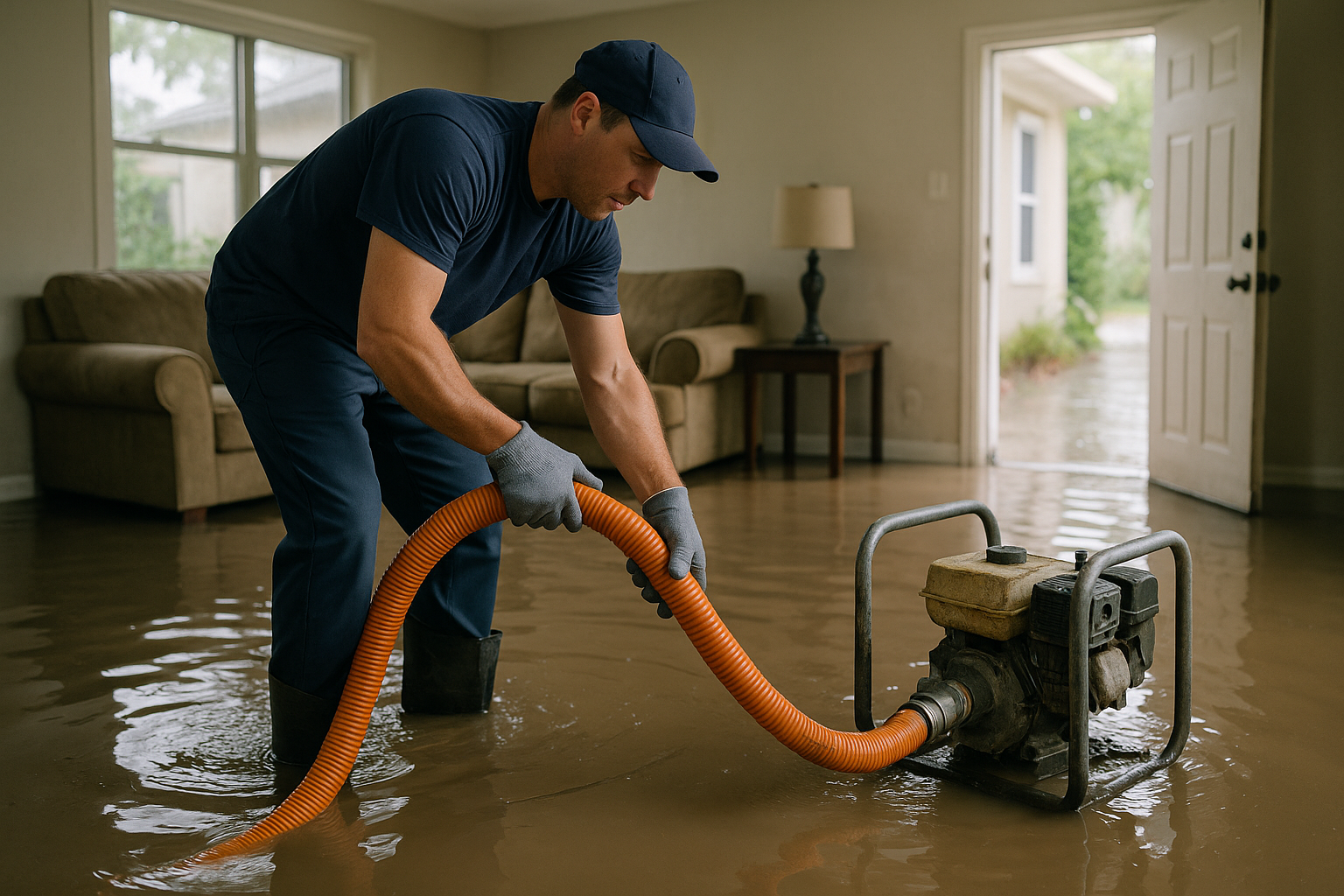
Water extraction services Tampa matter most when storms, hurricane surge, or broken pipes flood a home and threaten structural integrity and indoor air quality.
- Why Water Extraction Services Tampa Prevent Structural Damage
- Water Extraction Services Tampa: Techniques And Timeline
- Standing Water Removal Tampa: Immediate Risks
- Quick Checklist
- Repair Versus Replace And Tampa Restoration Costs
- Frequently Asked Questions
Why Water Extraction Services Tampa Prevent Structural Damage
Water extraction services Tampa stop moisture from soaking structural members and finishes, which prevents wood rot, drywall failure, and long-term mold growth in homes across the region.
Florida humidity and repeated storms accelerate decay, and Tampa properties face seasonal heavy rainfall and occasional hurricane surge that drive water into subfloors and wall cavities.
In many Tampa homes after major storms, we often find hidden water damage inside drywall and insulation that homeowners cannot see.
From experience, rapid extraction reduces structural repair costs by up to 50 percent in our projects when work begins within 24 to 48 hours of exposure.
Property owners in Hillsborough County can reduce electrical fire risks and secondary losses when professionals remove standing water and begin drying before materials fail.
Water Extraction Services Tampa: Techniques And Timeline
Technicians begin with a risk assessment to classify water and identify contamination from storm surge or sewage before starting extraction.
Trained crews use submersible pumps and wet vacuums to remove standing water quickly, then deploy axial fans, dehumidifiers, and structural drying mats to pull moisture out of framing and floors.
Technicians also use moisture meters and thermal imaging to map trapped water and track drying progress across drywall, subfloor, and insulation.
Typical timelines vary by severity, with emergency water removal for small events finishing in two to five days and large losses taking one to three weeks for complete structural drying.
Homeowners should watch for signs like warped floors, musty odors, and corrosion on fasteners as indicators that structural drying must continue.
Standing Water Removal Tampa: Immediate Risks
Standing water removal Tampa is an emergency priority because pooled water increases load on structures and soaks into framing and floor junctions.
Floodwater contamination from storm surge or heavy rainfall can carry sediment and bacteria that complicate cleanup and require sanitizing after extraction.
Electric shock and mold growth become significant risks when standing water sits more than 24 to 48 hours in warm Tampa Bay climates, and emergency water removal prevents those hazards.
Homeowners facing visible standing water should avoid electrical circuits and call for professional extraction and mitigation right away to limit damage.
For guidance about flood safety and contamination, a trusted resource is the CDC flood safety page at https://www.cdc.gov/disasters/floods/.
Quick Checklist
- Turn off electricity if water touches outlets and call a professional for safe shutdown.
- Document damage with photos for your insurance claim before cleanup begins.
- Arrange emergency water removal and extraction within 24 hours when possible.
- Ask technicians to perform moisture mapping and provide a drying plan and timeline.
- Keep vents open, remove valuables off the floor, and follow contractor guidance for repairs.
Repair Versus Replace And Tampa Restoration Costs
Tampa restoration costs change with damage extent, contamination, and required structural repairs, and local labor and material prices also affect estimates.
Minor extraction and drying jobs typically range from $500 to $3,000 in the Tampa area, while more extensive structural repairs after full remediation can reach $10,000 to $50,000 or more for severe hurricane damage.
Technicians evaluate whether to repair or replace materials based on moisture content, contamination category, and long-term performance in Florida humidity.
Insurance claim challenges after storms in Hillsborough County often center on proving prompt mitigation, so hiring documented professionals who log drying data improves claim outcomes.
RestoWRX offers documented moisture reports and restoration plans, and customers can learn more about our broader water damage restoration services here.
If you see standing water, mold signs, or structural sagging in your Tampa home, call RestoWRX for 24/7 emergency water removal and a fast response to limit damage and protect your property.
Frequently Asked Questions
How Fast Should Water Be Extracted After A Flood?
Extraction should begin within 24 to 48 hours to prevent mold growth and structural deterioration. Prompt work reduces repair costs and insurance complications.
Can Upholstery And Flooring Be Saved After Water Exposure?
Restorability depends on contamination level and how long water sat in materials. Many hardwood floors and upholstery can be saved with rapid extraction and structural drying, while heavily contaminated items may require replacement.
Will Insurance Cover Water Extraction Services In Tampa?
Coverage depends on your policy, the damage cause, and whether the loss resulted from a sudden event like a burst pipe or a flood excluded from standard policies. Documenting mitigation helps support claims.
Is Standing Water Removal The Same As Emergency Water Removal?
Standing water removal focuses on visible pooled water, while emergency water removal includes immediate safety actions, containment, and rapid extraction to protect structure and health. Both are time-sensitive in Tampa Bay storms.
How Do Technicians Prevent Mold After Extraction?
Technicians use dehumidifiers, targeted air movement, antimicrobial treatments, and moisture monitoring to control humidity and dry materials to safe levels in Florida climates.