
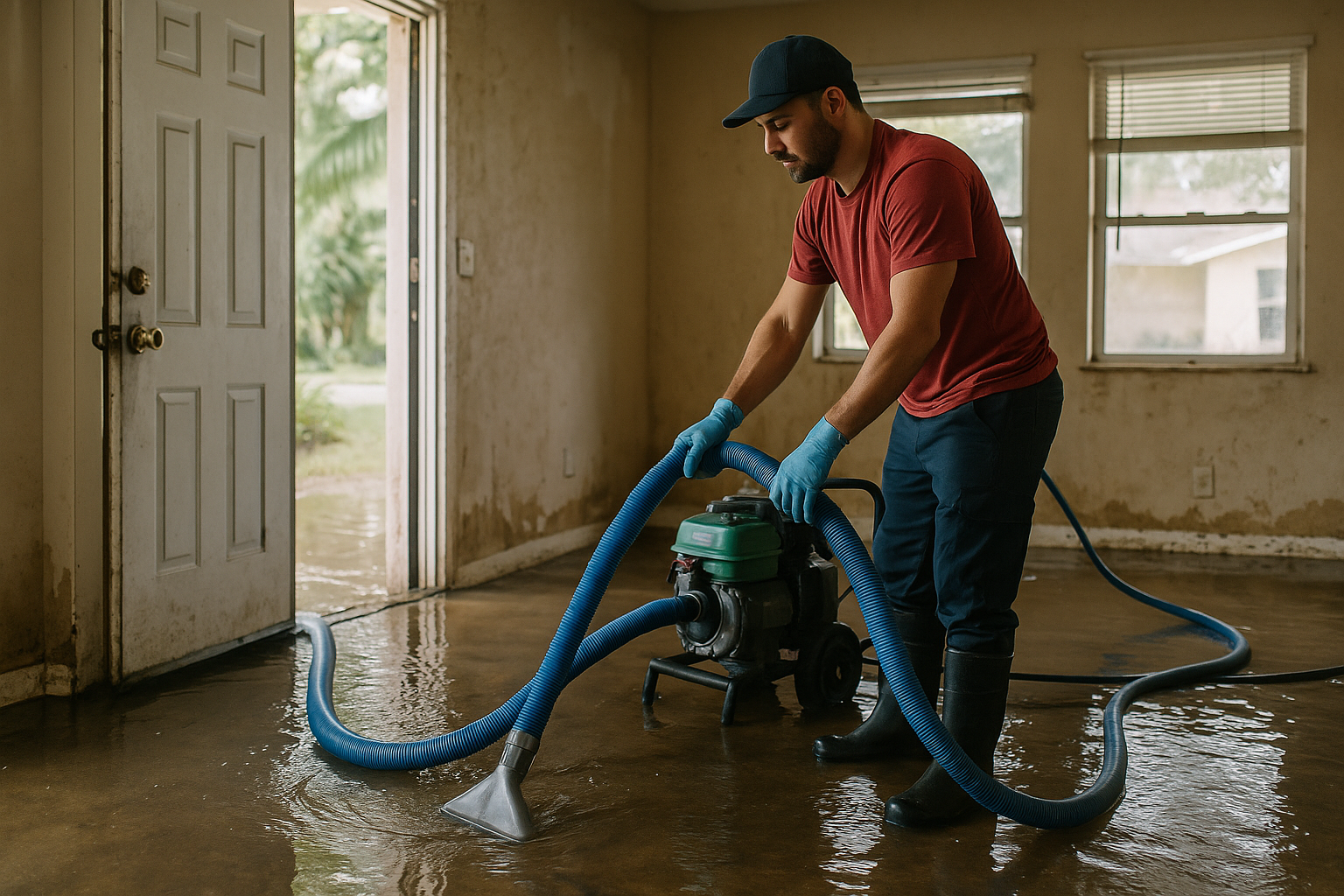
Water damage restoration Tampa homeowners depend on starts with fast action and clear next steps. Water intrusion from roof leaks, storm surge, and heavy rainfall causes mold, structural damage, and contamination in Tampa Bay homes. This guide explains realistic costs, repair versus replace decisions, and practical steps for homeowners in Hillsborough County and nearby Pinellas neighborhoods.
- Water Damage Restoration Tampa: What To Expect
- Water Damage Restoration Tampa Cost Guide
- Storm And Flood Restoration Services Tampa Bay
- Quick Checklist
- Structural Drying And Mold Remediation After Tampa Storms
- Frequently Asked Questions
Water Damage Restoration Tampa: What To Expect
Water damage restoration in Tampa typically begins with a rapid assessment and mitigation plan. Technicians arrive with moisture meters, vacuums, and air movers to stop ongoing damage. In many Tampa homes after major storms, we often find hidden water damage inside drywall and insulation that homeowners cannot see. Restoration crews document damage for insurance and secure the property to prevent further loss.
Homeowners in Hillsborough County should expect professionals to separate contaminated floodwater from clean water. Our teams follow safety protocols for storm surge and floodwater contamination. Learn more about our full-service approach on our water damage services page.
Water Damage Restoration Tampa Cost Guide
Typical Tampa restoration cost ranges vary with severity and contamination level. Small repairs from a localized leak often cost between $500 and $3,000. Moderate flooding with structural drying and some drywall replacement can range from $3,000 to $10,000. Major storm damage and full-home restoration commonly fall between $10,000 and $50,000 depending on contamination and structural repairs.
Deciding whether to repair or replace hinges on material porosity and mold risk. Soft materials and insulation often require replacement after contamination. Solid wood and some structural elements can often be dried and repaired, saving money and time. Homeowners should weigh long-term mold risk when repair costs approach replacement costs.
Insurance claim challenges are common after hurricanes and heavy rainfall in Tampa Bay. Adjusters may categorize damages differently than contractors. We advise documenting damage with photos and a professional estimate to support claims.
Storm And Flood Restoration Services Tampa Bay
Storm damage restoration in Tampa Bay includes water extraction, structural drying, debris removal, and sanitation. Floodwaters from hurricanes and storm surge often carry contaminants that require special handling. Flood restoration technicians wear protective gear and follow containment procedures to limit cross contamination.
FEMA and local emergency resources provide guidance after major disasters. For authoritative safety and recovery information, consult FEMA resources for disaster recovery steps and flood safety at FEMA. Residents in Tampa, Temple Terrace, and Brandon often face both floodwater contamination and prolonged humidity that accelerate mold growth.
For a deeper dive into mold risks after storms, see our related article on mold remediation practices and prevention tips.
Quick Checklist
- Shut Off Electricity If Water Reaches Outlets Or Appliances.
- Document Damage With Photos And Videos Before Cleanup.
- Move Valuables To Higher Ground If It Is Safe To Do So.
- Call A Licensed Restoration Professional Immediately For Mitigation.
- Contact Your Insurance Provider And Keep All Receipts For Repairs.
Structural Drying And Mold Remediation After Tampa Storms
Structural drying starts with moisture mapping and targeted air movement to hidden cavities. Technicians use dehumidifiers and inject-drying techniques to remove trapped moisture from walls and floors. Mold remediation in Tampa must address humidity and lingering moisture to prevent recurrence.
Smoke and soot damage from house fires adds another layer of cleanup for some homes. Technicians clean HVAC systems, remove porous residues, and deodorize with safe methods. Electrical fire risks increase when water corrodes wiring, so licensed electricians often evaluate systems before power is restored.
One experience-based observation is that roof leaks after storms are a common entry point for slow water damage that becomes mold months later. Structural repairs may include replacing drywall, insulation, and repairing load-bearing elements when saturation compromises materials.
Frequently Asked Questions
How Quickly Should I Start Restoration Work?
Begin mitigation within 24 to 48 hours when possible to reduce mold growth and structural damage. Fast drying limits secondary damage and lowers overall restoration costs. Contact a professional immediately for large losses and contaminated floodwater.
What Does Insurance Typically Cover For Storm Damage?
Coverage depends on your policy and the damage type. Flood damage from storm surge often requires a separate flood policy. Wind and rain damage may be covered under standard homeowner policies. Always document damage and get a professional estimate to support claims.
Can Damaged Materials Be Repaired Instead Of Replaced?
Repair versus replace depends on material type and contamination. Nonporous materials and solid wood can often be repaired. Porous materials and mold-infested insulation usually require replacement to ensure safety.
How Do I Know If Mold Is A Problem After Water Intrusion?
Visible mold, musty odors, and persistent allergy symptoms indicate a problem. Technicians use moisture meters and inspections to locate hidden mold. Early remediation reduces health risks and restores indoor air quality.
What Are Common Hidden Issues Technicians Find In Tampa Homes?
In many Tampa homes after major storms, we often find hidden water damage inside drywall and insulation that homeowners cannot see. Technicians commonly discover saturated subfloors, corroded wiring, and pockets of trapped moisture behind baseboards. These issues require targeted drying and sometimes selective demolition.