Fire damage inspection Tampa starts with safety and a clear plan for homes affected by flame, smoke, and water. Tampa homeowners need fast, local expertise after a fire to assess structural risk, document damage for insurance, and start restoration. Tampa Bay properties also face Florida humidity and storm damage that can complicate smoke and water intrusion.
- How Fire Damage Inspection Tampa Works
- What To Expect During Fire Damage Inspection Tampa
- Fire Damage Assessment Tampa: Repair Vs Replace
- Quick Checklist
- Smoke Damage Inspection And Soot Cleanup
- Frequently Asked Questions
How Fire Damage Inspection Tampa Works
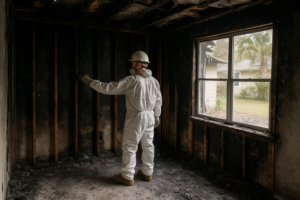
Fire damage inspection Tampa begins with safety and immediate triage of hazards. Technicians secure utilities and check for electrical risks and roof leaks that can let rain water inside during Florida storms. Inspectors document flame damage, smoke staining, and soot patterns to find the fire origin and spread. Inspectors also check for water intrusion from firefighting or hurricanes and assess moisture pockets that can cause mold because Tampa humidity rises quickly.
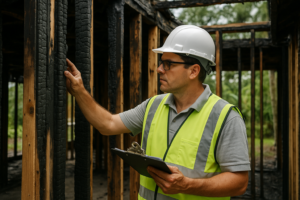
Inspectors use moisture meters, thermal cameras, and air quality testing to find hidden damage. Inspectors record photos and notes for insurance adjusters and prepare a prioritized restoration plan. Inspectors often work with structural engineers when load-bearing elements show charring or warping after fires and storm surge events in coastal Tampa Bay neighborhoods.
Homeowners should know that many Tampa properties sustain combined fire and water damage after major incidents. RestoWRX provides detailed fire damage restoration services and coordinates inspections with insurers when needed.
What To Expect During Fire Damage Inspection Tampa
Fire damage inspection Tampa typically takes one to three visits depending on size and complexity. Inspectors first confirm that the scene is safe and then do a visual walkthrough of structure, roof, walls, attic, and HVAC. Inspectors test for smoke odor, soot residue, and hidden moisture in drywall and insulation.
Inspection costs vary in Tampa and often range from about $200 to $800 for a thorough on-site assessment. Restoration estimates for moderate residential fires in Tampa normally span $5,000 to $50,000 depending on structural, content, and smoke damage. Inspectors also advise homeowners about likely timelines and the need for temporary board-up or tarping after hurricane or storm damage.
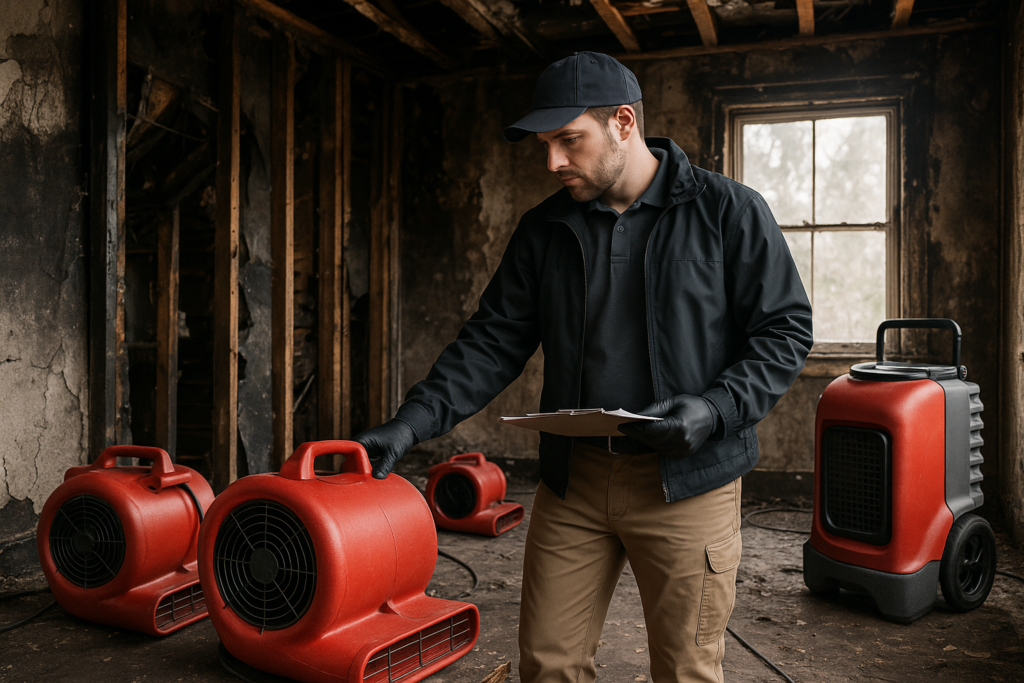
In many Tampa homes after major storms, we often find hidden water damage inside drywall and insulation that homeowners cannot see. Inspectors recommend structural drying, dehumidification, and mold prevention steps when humidity and roof leaks are present. Inspectors may also recommend contacting local authorities and FEMA resources for disaster guidance at U.S. Fire Administration.
Fire Damage Assessment Tampa: Repair Vs Replace
Fire damage assessment Tampa distinguishes between repairable materials and items that must be replaced. Technicians evaluate framing, subfloors, and HVAC systems first because these drive repair costs and safety. Technicians also check electrical panels and wiring for fire damage before power is restored.
Assessors apply a repair versus replace analysis for cabinetry, carpet, and contents. Assessors often recommend cleaning and deodorization for salvageable textiles, while items exposed to heavy soot or floodwater contamination after storm surge may require disposal. Assessors consider Tampa humidity and mold risk when deciding whether to salvage materials.
Repair costs often include structural drying, smoke cleaning, and minor carpentry, while full replacement adds demolition and rebuild expenses. Experience shows that timely inspections lower overall restoration costs. Inspectors also prepare detailed line-item estimates to simplify insurance claims and minimize disputes in Hillsborough County.
Quick Checklist
- Ensure Safety And Contact Emergency Services If Needed.
- Do Not Turn On Utilities Until A Qualified Inspector Confirms Safety.
- Document Damage With Photos And Keep A Record For Insurance.
- Call A Licensed Restoration Company For A Comprehensive Inspection.
- Keep Personal Items Documented And Segregate Salvageable Belongings.
Smoke Damage Inspection And Soot Cleanup
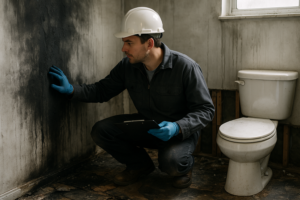
Smoke damage inspection uncovers soot pathways through HVAC ducts and wall cavities that spread odor across Tampa homes. Inspectors test carpets, curtains, and insulation for smoke residue and advise on cleaning or replacement. Inspectors use specialized HEPA vacuums, chemical sponges, and thermal fogging when appropriate to remove soot and neutralize odors.
Homeowners in Tampa Bay ask about carpet recovery after smoke exposure. RestoWRX offers professional smoke damage carpet cleanup and content cleaning solutions to restore textiles when possible. Inspectors also recommend HVAC cleaning to prevent recontamination and prolonged odors in humid Florida conditions.
Experience shows that early action reduces permanent staining and lowers total restoration costs. Inspectors provide a scope of work and coordinate with adjusters to document smoke and soot findings properly.
Call RestoWRX for a fast, local inspection and clear next steps after a fire in Tampa. Contact RestoWRX for fire damage restoration services to start repairs and coordinate insurance support.
Frequently Asked Questions
How Soon Should I Get A Fire Damage Inspection?
Schedule an inspection as soon as the fire department clears the property. Early inspections prevent secondary damage from water, humidity, and mold in Tampa homes.
What Does An Inspection Cost In Tampa?
Inspection fees often range from $200 to $800 depending on size and complexity. Restoration costs vary widely and can reach tens of thousands for major structural repairs in coastal Tampa Bay areas.
Can Smoke Odor Be Removed From Carpets And Furniture?
Many carpets and upholstery respond to professional cleaning and deodorization. Some items with deep soot or flood contamination may need replacement to protect health in humid Florida climates.
Will My Insurance Cover A Fire Damage Inspection And Restoration?
Insurance coverage depends on your policy and cause of damage. Inspectors document losses and provide estimates to support claims, which reduces delays with insurers and adjusters in Hillsborough County.
How Do You Prevent Mold After Fire And Water Damage?
Inspectors recommend rapid structural drying, dehumidification, and removal of wet insulation and porous materials. Tampa humidity increases mold risk, so quick action is essential after firefighting or storm-related water intrusion.